Introduction
However, a reduction in carbon footprint involves a few challenges. Most electric vehicle (EV) charging stations receive power from the low- or medium-voltage distribution network. The increasing number of EVs may overload the charging infrastructure, which affects the power grid's reliability, frequency, and voltage stability. This article discusses the impact of EV charging on power grid infrastructure and the possible solutions to mitigate the same to maintain its reliability and durability.
How EV charging affects the electricity grid?
Integrating many EVs into the power grid may challenge grid sustainability, mainly due to the charging infrastructure and their effects on the power system. The key challenges experienced while integrating EV charging infrastructure with the grid are:
Voltage stability issues: EV charging demands higher power than residential loads, making power distribution networks more susceptible to voltage sags. The reason behind this is the high resistance to inductance ratios of the distribution lines. Additionally, there is uncertainty in consumers' charging requirements. The customers may charge their vehicles during peak hours and at different locations, further aggravating the voltage stability issue. Figure 1 represents a V-P curve (or nose curve) showing the relationship between the active power and voltage of a bus. Here, each bus has a critical voltage based on the line resistance and reactance corresponding to the maximum active power that can be drawn from the bus, and any further increase in load at the bus will lead to voltage collapse. The ratio of change in voltage due to change in active power is termed the Voltage Sensitivity Factor (VSF). A high VSF means that even for small changes in active power, there is a significant drop in voltage and vice versa.

Figure 1: Relationship between the active power and voltage of a bus
Phase unbalance: Charging EVs using single-phase chargers may lead to unbalanced phase voltages and current loading. It can result in higher power losses and violate the voltage limits in the system. For example, there will be a voltage drop in the phase with high demand if the power demand in any phase is higher than in the other two phases. This can potentially lead to overvoltage in the other two phases due to shifting the neutral point in a star-connected distribution system.
Impact on supply and demand balance: Unregulated EV charging can amplify the peak demand on the grid, particularly when vehicle charging coincides with existing peak loads. This may overburden the transmission system and critical components of the distribution network, such as transformers and cables. The additional strain on the system would necessitate increased electricity generation, raising the power tariffs. Moreover, such uncontrolled charging may strain the system by exceeding established ramp limits.
Overloading of power distribution components: The coincidence of EV charging with the peak load may cause the overloading of power distribution components like distribution transformers, cables, etc. This overloading can lead to a significant reduction in equipment's lifespan, thereby reducing energy transmission efficiency.
Power losses: Integrating EVs into the power grid also causes power losses in the network. The power loss in the distribution network generally refers to the I2 R losses of the power system components. It has been observed that integrating EVs can increase the power losses of a distribution transformer by up to three times. So, the addition of an extra EV charging load increases the current flow through the power lines, thereby increasing the system losses and making it less efficient.
Frequency disturbance: In electric power systems, it is crucial to maintain a real-time balance between generation and load. Any deviation from this equilibrium may lead to the departure of the grid frequency from the standard value. Introducing a substantial charging load from EVs to the grid necessitates increased power generation to uphold the grid frequency within acceptable limits. EV charging is a typical non-linear load based on rectifier circuits and power converters that draw non-sinusoidal current from a sinusoidal voltage, causing voltage and current waveforms to have different shapes. Also, large frequency deviations correspond to large power imbalances, which threaten system stability and may lead to large-scale blackouts.
Harmonic Distortions: EV chargers incorporate nonlinear power electronic converters that act as a nonlinear load within the system and inject voltage and current harmonic distortions into the power distribution network. The extent of distortion is directly related to the concurrent operation of multiple EV chargers in the distribution network. There is minimal impact on power quality harmonic distortion with low EV penetration and slow charging rates. Conversely, high EV penetration and rapid charging rates cause significant voltage and current harmonic distortions. Additionally, the random charging patterns of EVs may deviate from the typical level of voltage harmonics.
Mitigating EV charging impacts on power grid
The presence of power electronics and random charging practices determines the power quality of the grid. Such unwanted non-standardized actions result in increased losses, poor utilization of distribution systems, a threat to the life of power system components, and other power quality issues. These challenges can be mitigated by implementing the following solutions:
Smart charging infrastructure: The implementation of Smart EV charging infrastructure can mitigate the strain on the grid. It optimizes the charging process of an EV by intelligently controlling its charging rate, taking economic, ecological, and technical considerations into account. Smart Charging maximizes the utilization of renewable energy generations, supports ancillary services, and provides backup storage. This technology also allows for dynamic load management, ensuring optimal electricity distribution during peak and off-peak periods. Some of the key features of Smart charging are:
-
Load balancing: In smart charging, load balancing optimizes the distribution of electricity demand across the grid and mitigates the risk of overload during peak hours. This process involves the charger autonomously analyzing available capacity and determining the power requirements of connected vehicles. After this analysis, the charging units distribute control that depends on the maximum capacity of the connection. This system allows electric cars always to be charged even if the installed charging units have a limited capacity. Load balancing operates without requiring input from electric vehicle drivers. Power supply connections interconnect charging points within a cluster, designating one charging point as the Master unit that controls the entire group. A charging point equipped with load balancing adapts to supply the current demand of vehicles plugged into it, following the limitations set by the Master unit. Initially, when a vehicle accesses a charging point in the cluster, the maximum power is dedicated to that electric vehicle, resulting in an unbalanced load. However, as more vehicles connect and require power, the Master unit dynamically manages the cluster to prevent exceeding total consumption, potentially reducing the power provided to the remainder of the cluster. Consequently, the shared energy leads to a slower charging speed for the cars, alternating between them every 15 minutes based on their battery requirements. As the load diminishes on a charger in the cluster, the Master unit dynamically monitors and manages requirements, offering more power to the other chargers as needed.
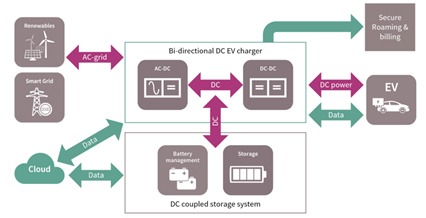
Figure 2: Load balancing in smart charging infrastructure
- Grid-friendly charging: Smart charging algorithms leverage real-time data and dynamic decision-making to optimize the EV charging process. These algorithms assess and adapt to grid conditions and available capacity by integrating electric vehicles into the existing electrical infrastructure. It can adjust charging rates, allowing the system to balance the demand for electricity with the available supply. Smart algorithms can respond to grid load and congestion fluctuations or even incorporate insights into electricity pricing during different periods by dynamically regulating the charging rate.
- Time-of-use pricing: It is a strategic and dynamic approach that aligns the cost of charging with varying electricity demand throughout the day. This pricing model involves adjusting the cost of electricity based on specific periods, with higher tariffs during peak hours and lower tariffs during non-peak hours. This approach allows users to benefit from lower electricity rates by scheduling their charging sessions when demand on the grid is usually lower.
- Data analytics: Smart charging systems leverage sophisticated data analytics tools and techniques to extract valuable insights from a wealth of information. These systems analyze real-time data on electricity demand, grid conditions, charging station usage, and individual EV behaviors. Smart charging platforms can optimize charging processes by processing this data. It can predict and adapt to patterns in energy consumption. Data analytics enables the identification of peak demand periods, allowing for strategic load balancing and the effective allocation of resources. It also facilitates user-centric features, such as personalized charging schedules based on individual preferences and cost considerations.
Vehicle-to-grid (V2G) integration: Vehicle-to-Grid (V2G) integration in EV charging is a transformative concept beyond the conventional charging paradigm. V2G enables EVs to draw power from the grid and feed surplus energy back into it when needed. This bidirectional flow of electricity allows EVs to act as mobile energy storage units. In times of high energy demand or grid instability, these vehicles can discharge stored energy back to the grid, providing crucial support to stabilize the electrical infrastructure. V2G integration relies on smart charging systems and advanced communication technologies, allowing EVs to interact with the grid seamlessly. This dynamic interaction facilitates grid balancing by adjusting power flow in response to fluctuations in demand, contributing to overall grid resilience. V2G integration can enhance grid reliability, reduce the need for additional grid infrastructure investments, and foster a more sustainable and responsive energy ecosystem by leveraging the collective energy storage capacity of a fleet of EVs.
Figure 3: V2G and renewable energy integration with EV smart charging
Renewable energy integration: Integrating renewable energy sources into EV charging systems provides a promising solution for enhancing grid stability and sustainability. EV charging becomes inherently cleaner and more resilient when power is harnessed from renewable sources such as solar and wind. The excess power generated during off-peak periods can be directed to charge EVs and effectively stored in batteries. Moreover, smart charging systems can be designed to prioritize EV charging during optimal renewable energy production times, aligning the charging process with periods of abundant clean energy. This integration thus serves as a dual benefit: supporting the transition to a greener transport system and aiding grid stability by balancing demand with the intermittent nature of renewable energy sources.
Conclusion
With the growth of electric vehicles, it is essential to tackle the grid stability challenges of EV charging. Strategies such as adopting load management techniques, developing smart charging infrastructures, utilizing energy storage systems, implementing V2G technology, and incorporating renewable energy sources are instrumental in reducing the impact of EV charging on the grid.
Farnell Electronics helps mitigate the challenges faced by the power grid infrastructure in EV charging and supports smart charging infrastructure with a broad portfolio of high-performance components. The use of these solutions helps to achieve a seamless transition toward a more sustainable transportation future.








기술



더 많은 자원
계산기 및 변환 차트
선택 가이드 및 카탈로그
필수 학습 모듈
Tech Spotlight
설계 자원
엔지니어링 용어
기술 지원
Parts Finder Tools